Craft Shochu
8 expressions from 3 independent distilleries
Shochu is Japan's best-selling distilled spirit: a koji-fermented spirit that is single-distilled from rice, sweet potato, barley or sugarcane, so it keeps the flavor of whatever it was made from. Most shochu is bottled around 24% ABV, light enough to sip with food or pour long over ice.
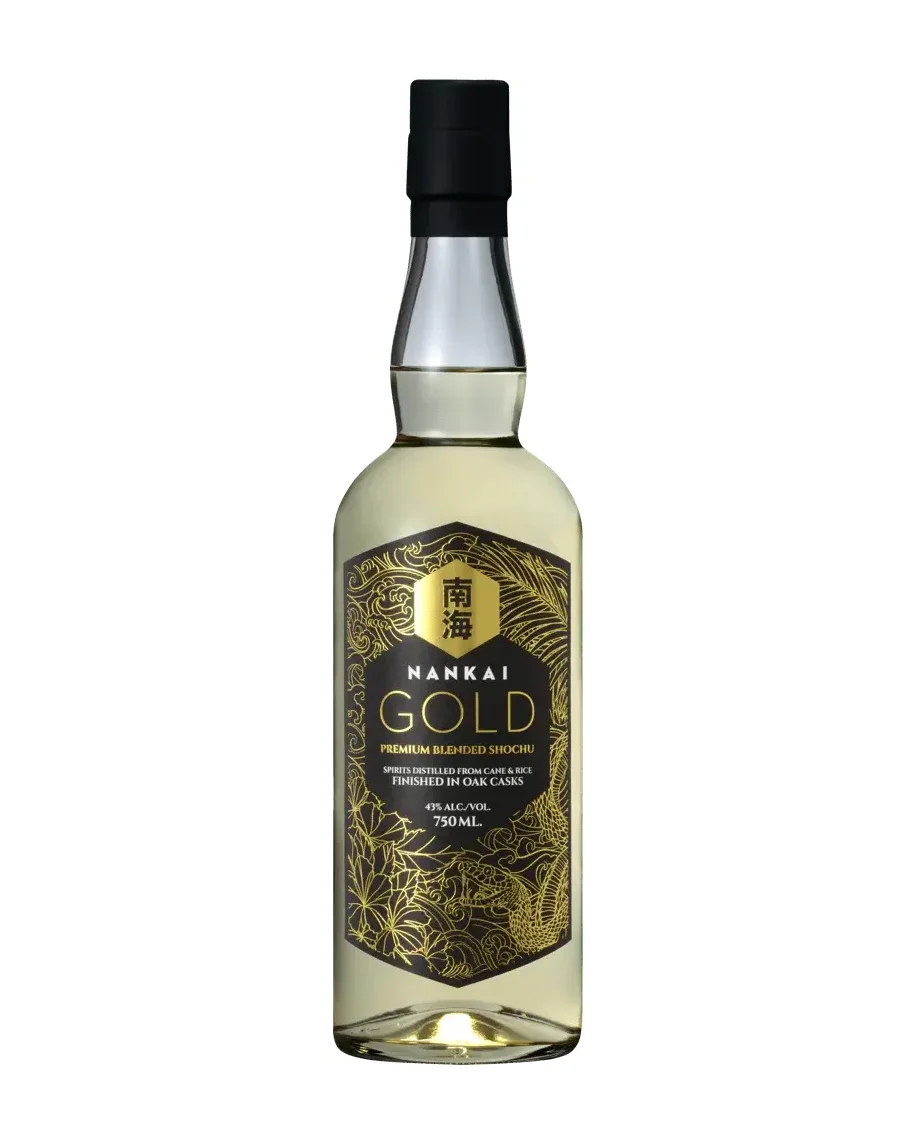
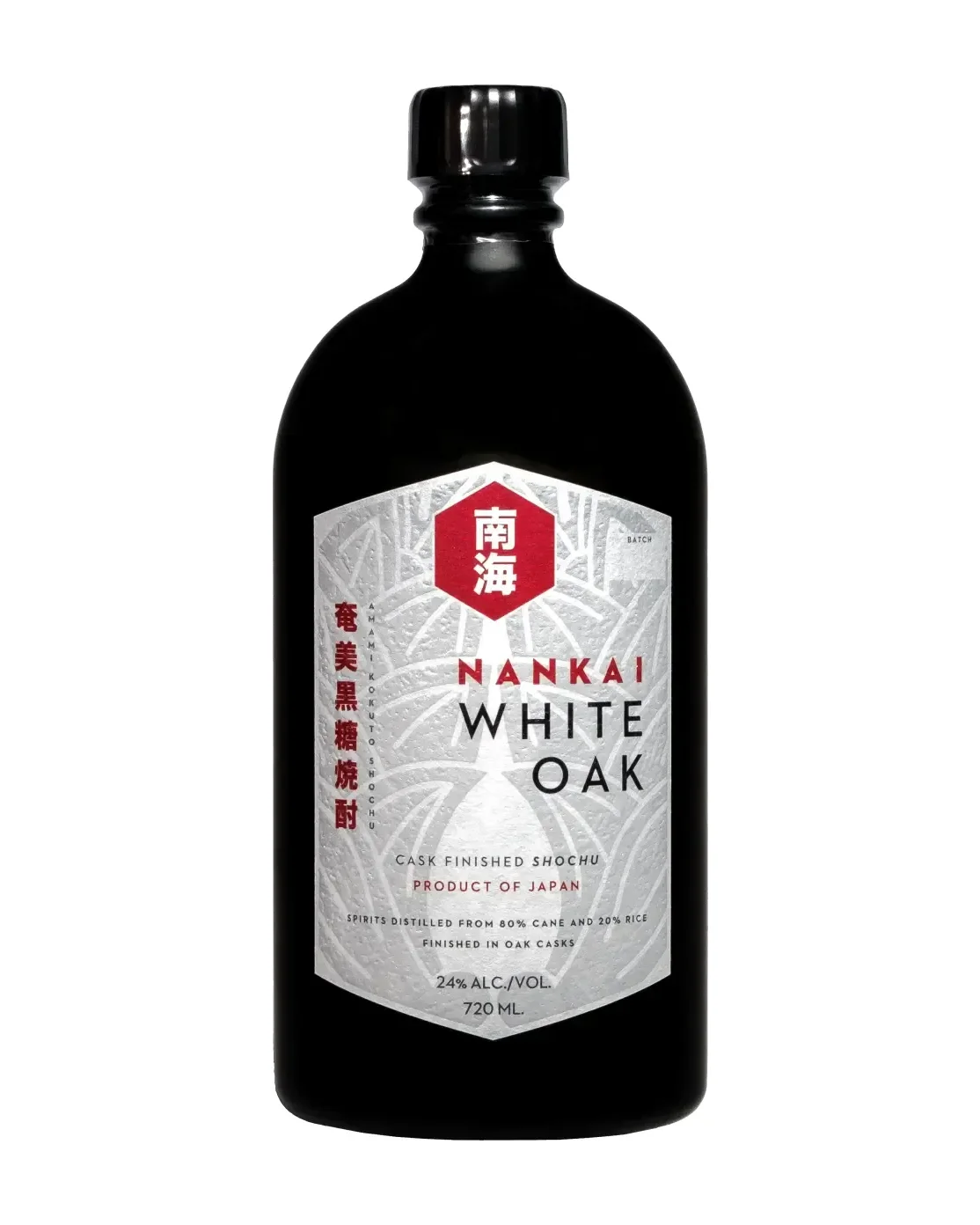
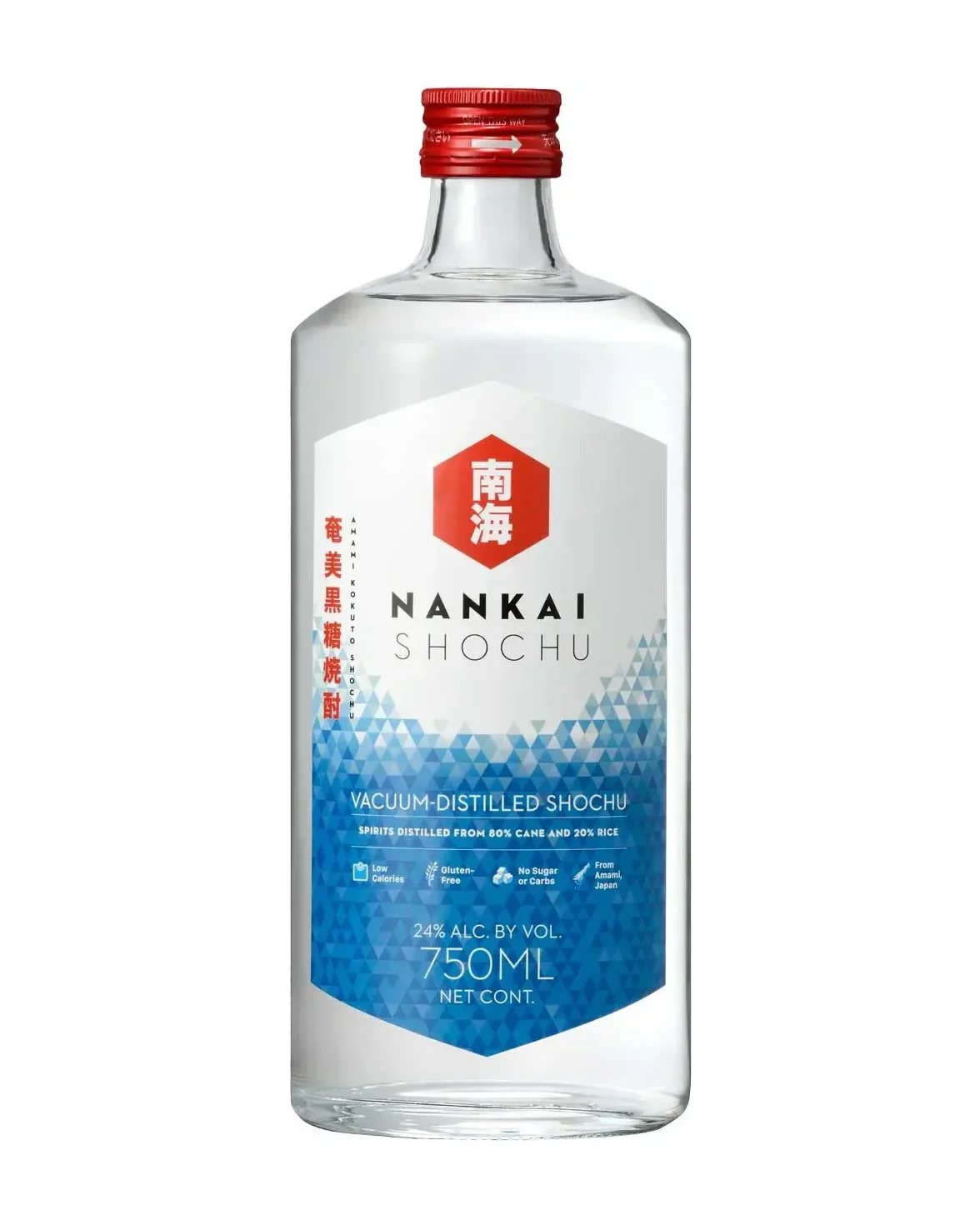
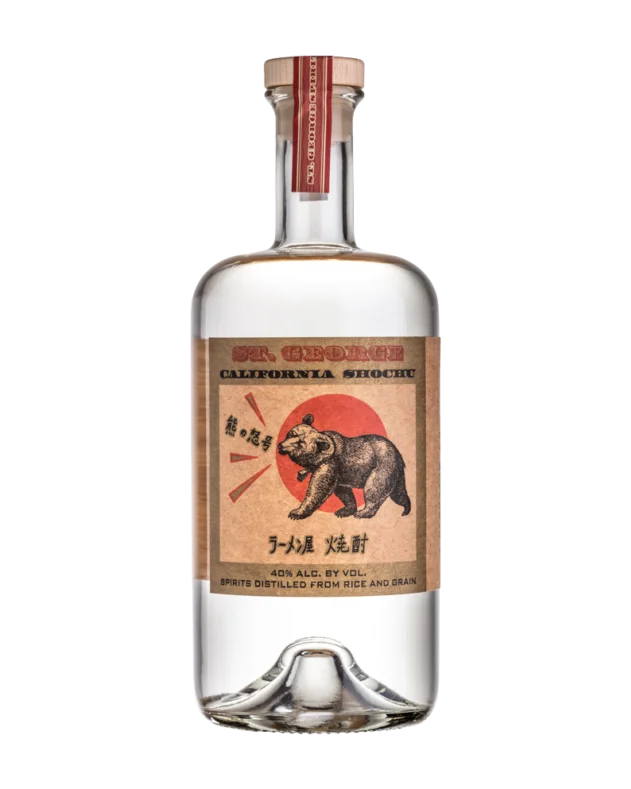
On DiscoCraft you will find two Los Angeles shochu brands. Nankai Shochu brings kokuto, or black sugar, shochu from Amami Island, including the vacuum-distilled Nankai Shochu, cask-finished White Oak, the 43% Nankai Gold and the sweet potato Imo Black. MUJEN makes rice shochu in Kumamoto, from the crisp Ai Lite and Original to the 10 year MUJEN X. In the Bay Area, St. George Spirits distills its own California Shochu from sake lees.
Explore craft shochu
Filter in Discover8 expressions
Products
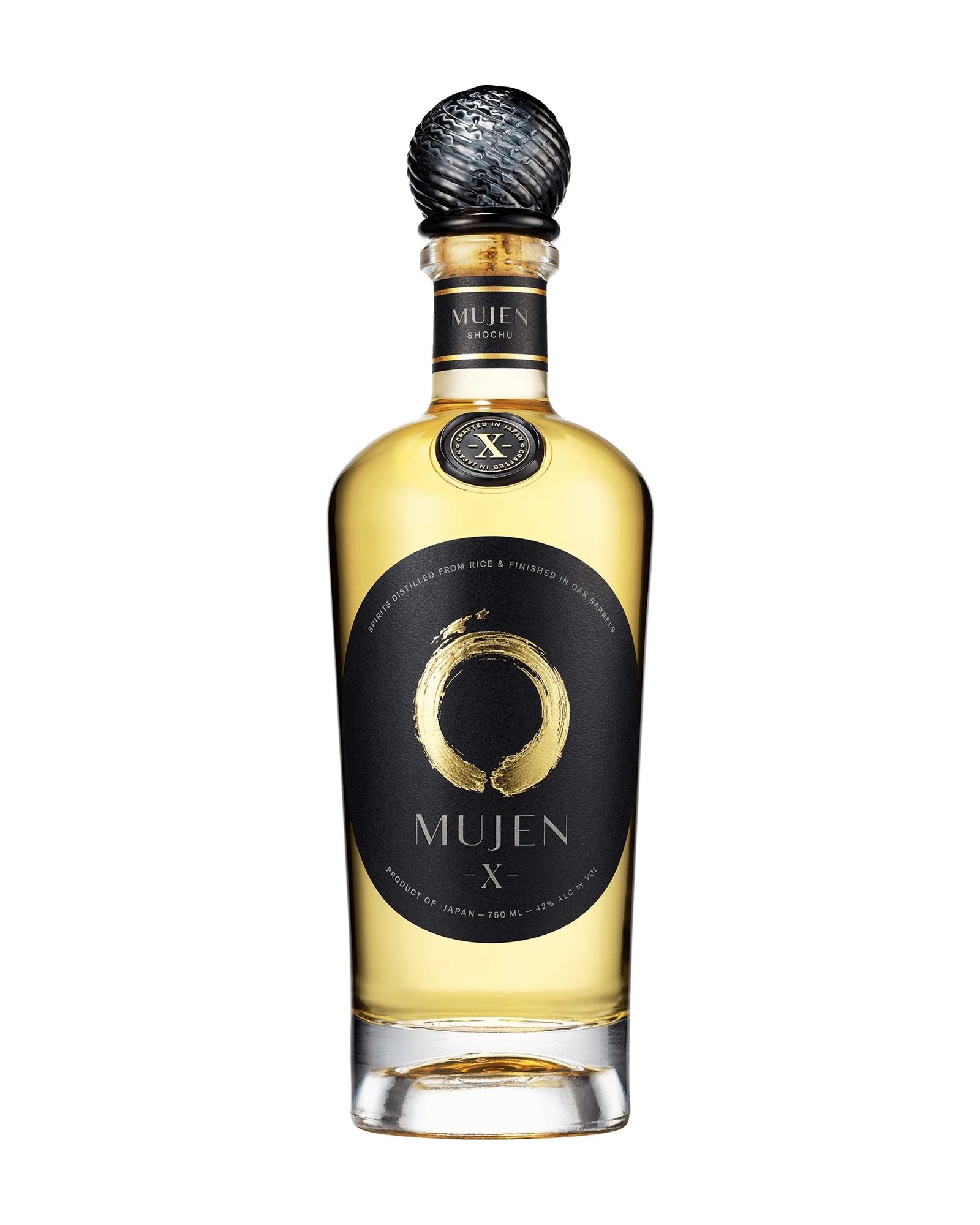
MUJEN
MUJEN X
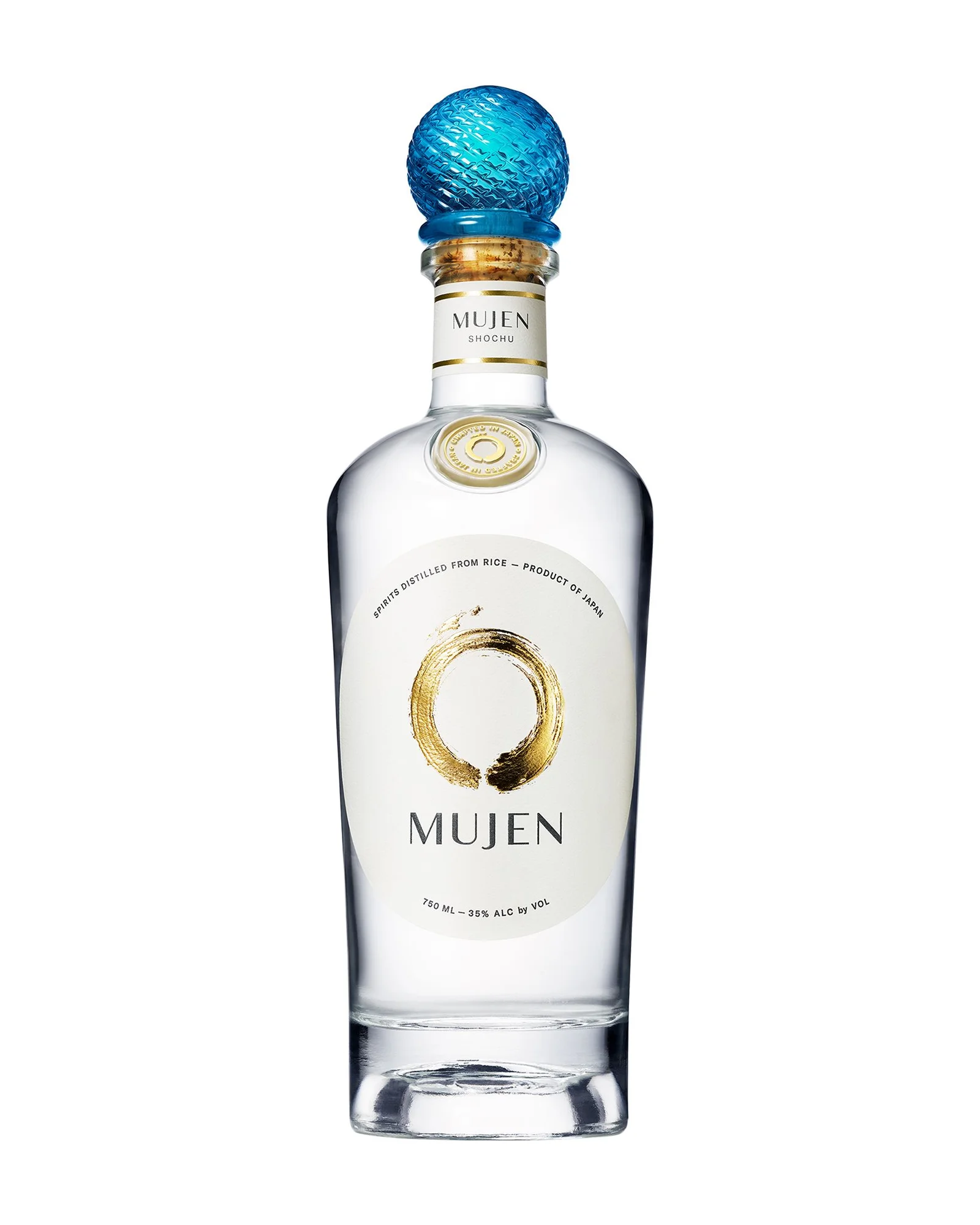
MUJEN
MUJEN Original
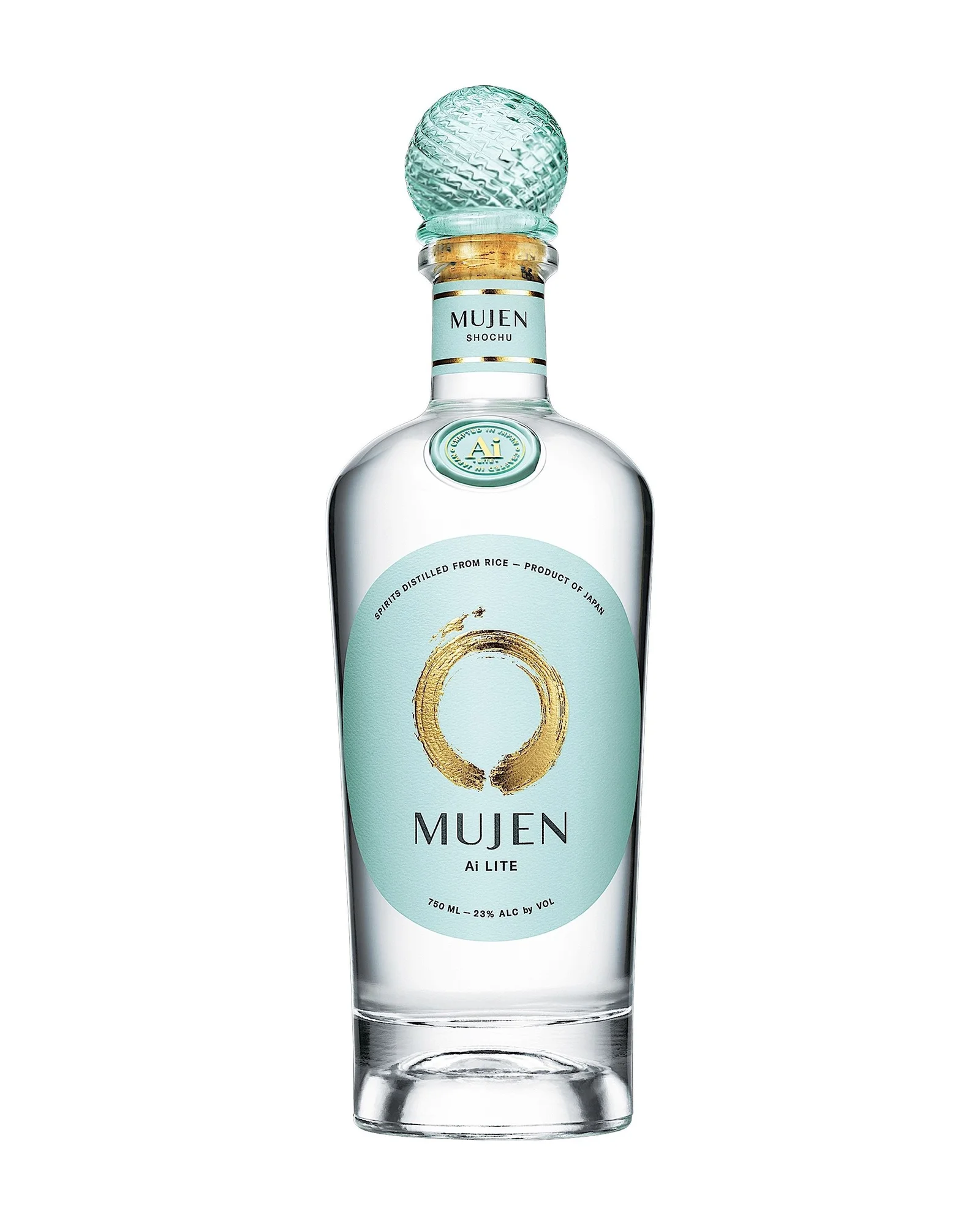
MUJEN
MUJEN Ai Lite
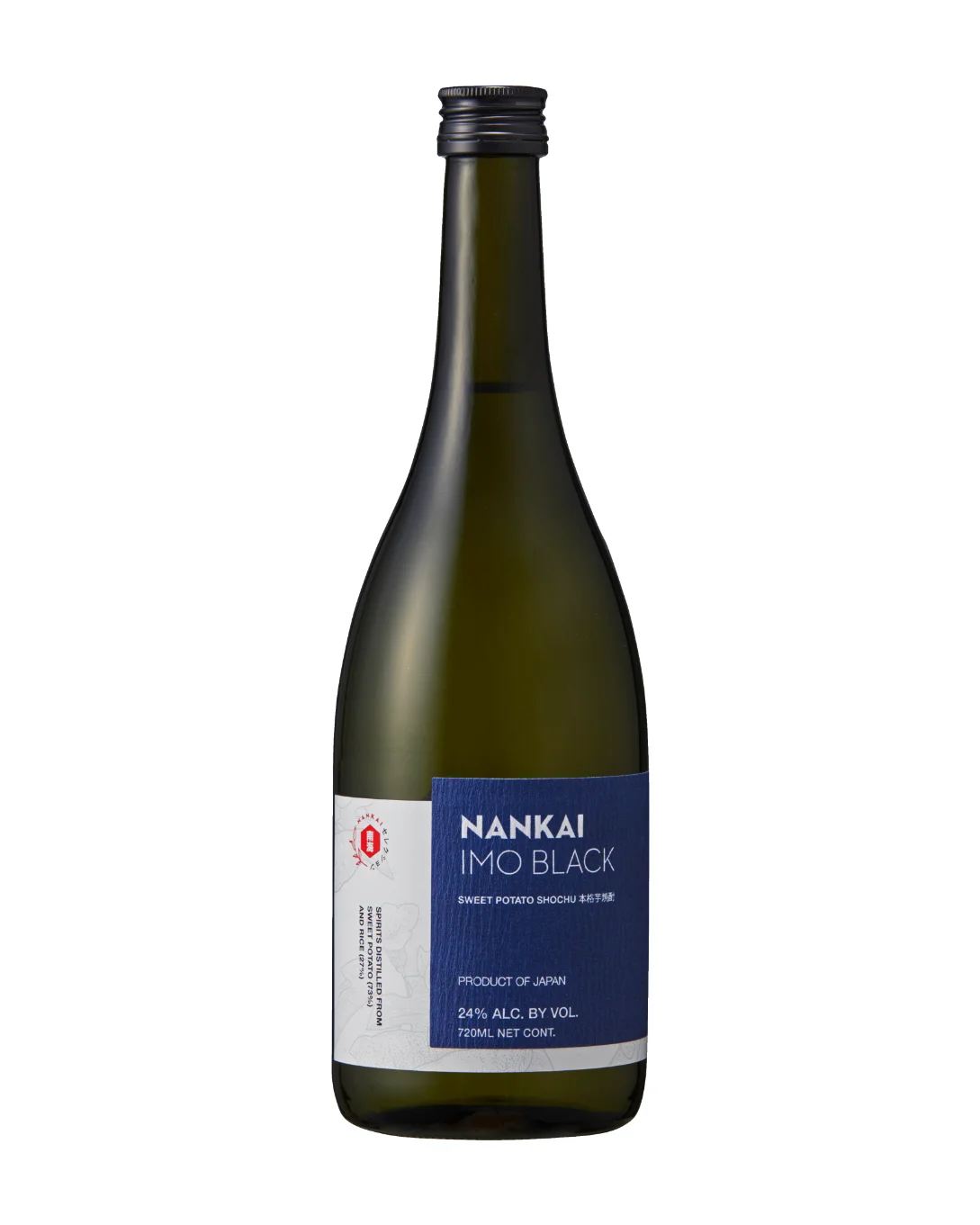
Nankai Shochu
Nankai Imo Black
Nankai Shochu
Nankai Gold
Nankai Shochu
Nankai White Oak
Nankai Shochu
Nankai Shochu
St. George Spirits
St. George California Shochu
Distilleries making shochu
Questions
Shochu questions, answered
What is shochu?
Shochu is a traditional Japanese spirit with a history of more than 500 years. What makes it unique is koji, the same mold used to make sake, miso and soy sauce: it breaks down the starches in rice, barley or sweet potatoes so they can ferment, and adds umami along the way.
Genuine, or honkaku, shochu is distilled only once in a pot still. Vodka and whiskey are distilled several times to raise the proof, which strips out flavor; single distillation keeps the character of the base ingredient. The most common styles are:
Imo: sweet potato, rich and earthy
Kome: rice, clean and delicate
Mugi: barley, nutty and toasty
Kokuto: black sugar, made only on the Amami Islands, soft and gently sweet
What is the difference between shochu, sake and soju?
Sake is brewed and never distilled, so it is closer to beer or wine at around 15% ABV. Shochu is a distilled spirit made with koji, typically 20% to 25% ABV and up to 45%. Soju is Korea's distilled spirit; many mass-market sojus are made from neutral spirit and sweeteners, while honkaku shochu is single-distilled with no additives.
How do you drink shochu?
In Japan it is most often served on the rocks, mixed with cold water (mizuwari) or hot water (oyuwari), or as a highball with soda, known as a chu-hi. It also stands in for vodka, gin or even whiskey in cocktails, which makes it a natural lower-ABV swap for martinis, margaritas and old fashioneds.
Can a bar with a beer and wine license serve shochu in California?
Yes, as long as it is Japanese shochu at 24% ABV or less. California's AB 416, signed in 2023, classifies that shochu as a beer and wine product, so restaurants and bars with a Type 41 license can pour it without a full liquor license. Bottles like Nankai Shochu, Nankai White Oak, Nankai Imo Black and MUJEN Ai Lite all sit at or under that line.
Is shochu gluten-free and low in sugar?
Distillation leaves no sugar or carbs in the final spirit, even when shochu is made from sugarcane. Shochu made from rice, sweet potato or sugarcane is naturally gluten-free, and a 24% ABV pour has fewer calories than the same amount of vodka.