Non-Alcoholic Spirits for Bars: Why Zero Proof Is Craft's Next Frontier
Zero-proof drinkers are your regulars, not a separate crowd. Here is what the numbers say, what LA learned the hard way, and the non-alcoholic spirits worth putting behind your bar.
By The DiscoCraft team6 min read
Non-alcoholic options at bars used to start with a Shirley Temple and end with an Arnold Palmer. Times have changed. Zero-proof drinkers are ordering at the same bar as everyone else, they expect a real cocktail, and the independent makers building this category are moving faster than the big brands. This is our guide to non-alcoholic spirits for bars, written for owners and mixologists: why non-alcoholic deserves a proper spot on your menu, what Los Angeles has already taught us, and the bottles we would stock first.
The numbers behind the zero-proof boom
The non-alcoholic category is no longer a rounding error.
- $925 million. US off-premise (retail) non-alcoholic sales, up 22% year over year and on track to pass $1 billion, according to NielsenIQ.
- 92%. The share of non-alcoholic buyers who also buy alcohol, from the same NielsenIQ report.
- 9.7% a year. The projected growth of the US non-alcoholic spirits market, from $62.0 million in 2024 to $106.8 million by 2030, with gin the fastest-growing segment, per Grand View Research.
That 92% is the number every bar should remember. The person ordering a zero-proof cocktail on a Tuesday is often the same person ordering a mezcal Negroni on Friday. They are not a separate crowd you need to go find. They are already sitting at your bar, and when the zero-proof options are an afterthought, they notice.
What LA learned from its first alcohol-free bar
In January 2024, STAY. opened in Chinatown Central Plaza as Los Angeles's first fully alcohol-free cocktail lounge. The concept was ambitious. Beverage director Derek Brown built a menu of drinks named for the 12 signs of the Chinese zodiac, with cold-pressed juices, fresh herbs and zero-proof spirits. The Ox, for one, paired a Kentucky 74 bourbon alternative with an aperitif rosso, ginger syrup, bitters and smoke (NPR covered the opening).
It closed for good after eight months.
We will not guess at the reasons. But the takeaway we draw for bar owners lines up with that NielsenIQ number. Most zero-proof drinkers go out with friends who drink, and they choose bars where the whole table can order well. The biggest opportunity in non-alcoholic is not a separate dry bar. It is the zero-proof section of the menu at the bar people already love.
Zero proof done right: Death & Co in the Arts District
Death & Co Los Angeles is a good example of non-alcoholic treated as part of the craft instead of a courtesy. Its dynamic menu sorts cocktails by mood, from Light & Playful to Elegant & Timeless, and Zero Proof sits right there as a section of its own, on the same menu as everything else (see the current menu).
The drinks get the same treatment as the rest of the list. On the June 2026 menu, Cruise Control mixes Seedlip Notas de Agave with Giffard's non-alcoholic aperitif, strawberry shrub, grapefruit, honey and lime. Tenth Planet pairs a Thai tea cordial with Ritual Zero Proof rum, pineapple, cinnamon and yuzu. Living Dead builds on Ritual Zero Proof gin with Wilderton Earthen, pistachio, lemon and New Orleans style non-alcoholic bitters. They are priced from $16 to $18, right alongside the full-proof cocktails.
The lesson is simple. A zero-proof drink gets the same care, the same detail on the menu and a real cocktail price, so ordering one never feels like a downgrade.
Why independent makers are leading non-alcoholic spirits
A few big spirits companies have dipped in, but the category is still young enough that no one owns it, which leaves room for smaller producers to set the pace. And there is plenty of room for ingenuity and creativity, which is almost impossible to mass produce. Independent makers are building non-alcoholic spirits from scratch around their own landscapes and botanicals, rather than stripping the alcohol out of an existing product and hoping for the best.
A few we are watching:
- Pentire, founded in 2019 in North Cornwall, England, distills plants that grow on the coastal headland around it and develops its range with bartenders.
- St. Agrestis in Brooklyn makes its non-alcoholic Negronis and amaro by hand with old-world methods.
- Greenbar Distillery, also in the Arts District, bills itself as the first distillery in Los Angeles since Prohibition, opened in a 1905 bow truss building in 2010. It now makes a line of organic zero-proof cocktails alongside its spirits.
- Strongwater in Denver builds its drinks from whole plants and Rocky Mountain water, with a team that spans chemistry, herbology and mixology.
A non-alcoholic swap for every spirit
Here is how we would cover the main spirits on a zero-proof cocktail menu, using bottles from independent makers. Descriptions come from each maker's listing on DiscoCraft.
Non-alcoholic gin
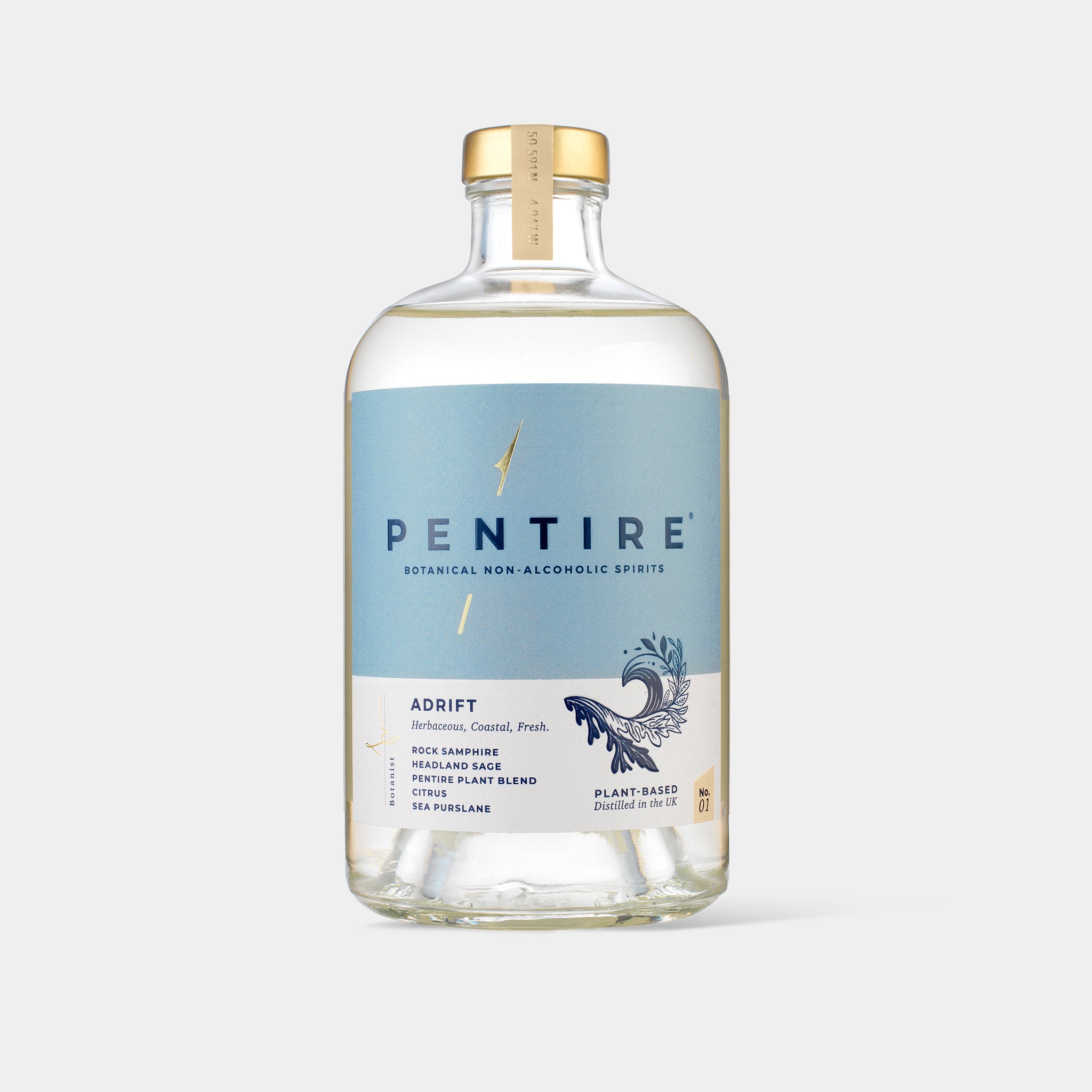
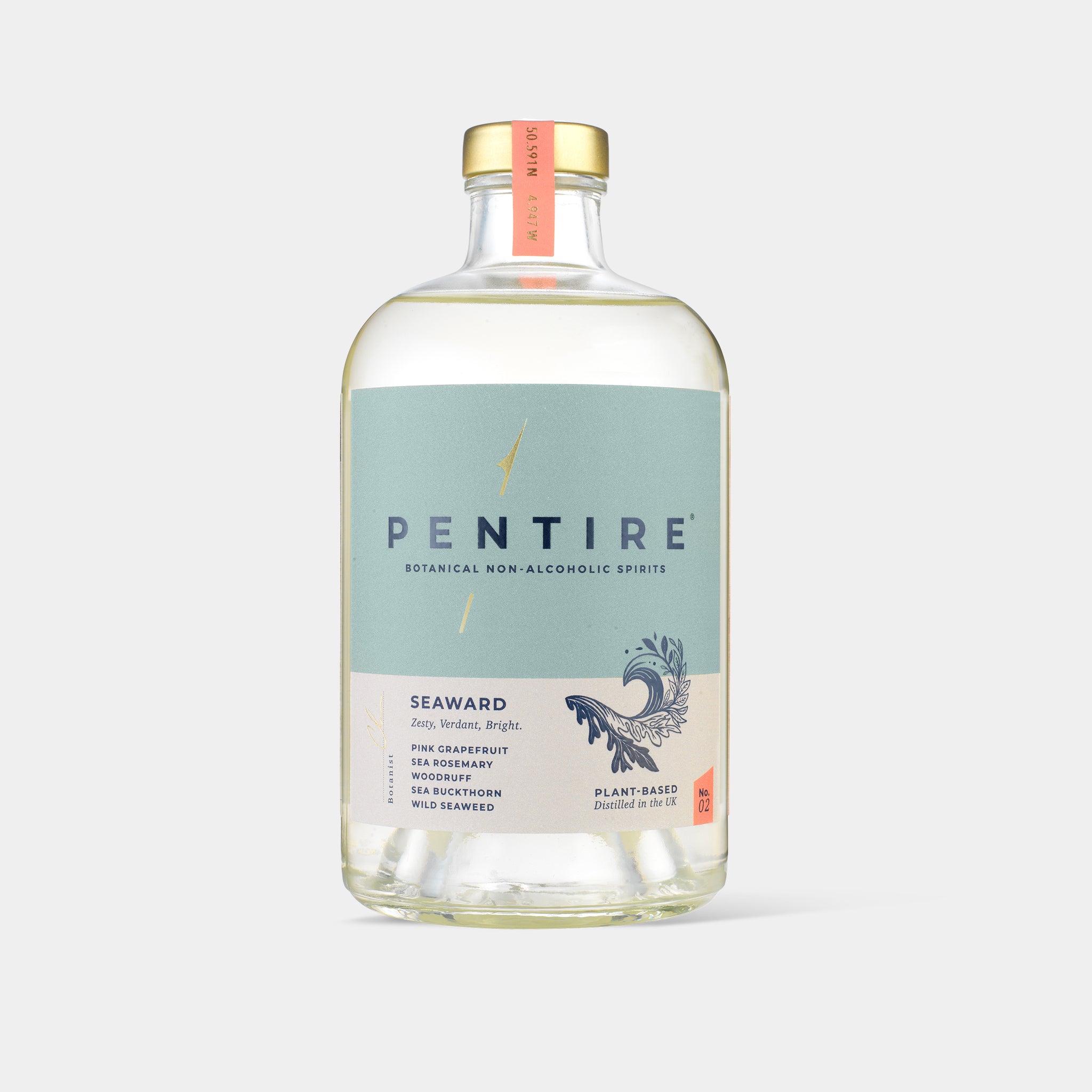
Gin is the easiest swap, and the fastest-growing part of the market. Pentire makes two: Adrift, which the brand describes as citrus with sage, rock samphire and a sea salt finish, and Seaward, which leads with grapefruit over green botanicals, berry and seaweed. Both make a clean highball.
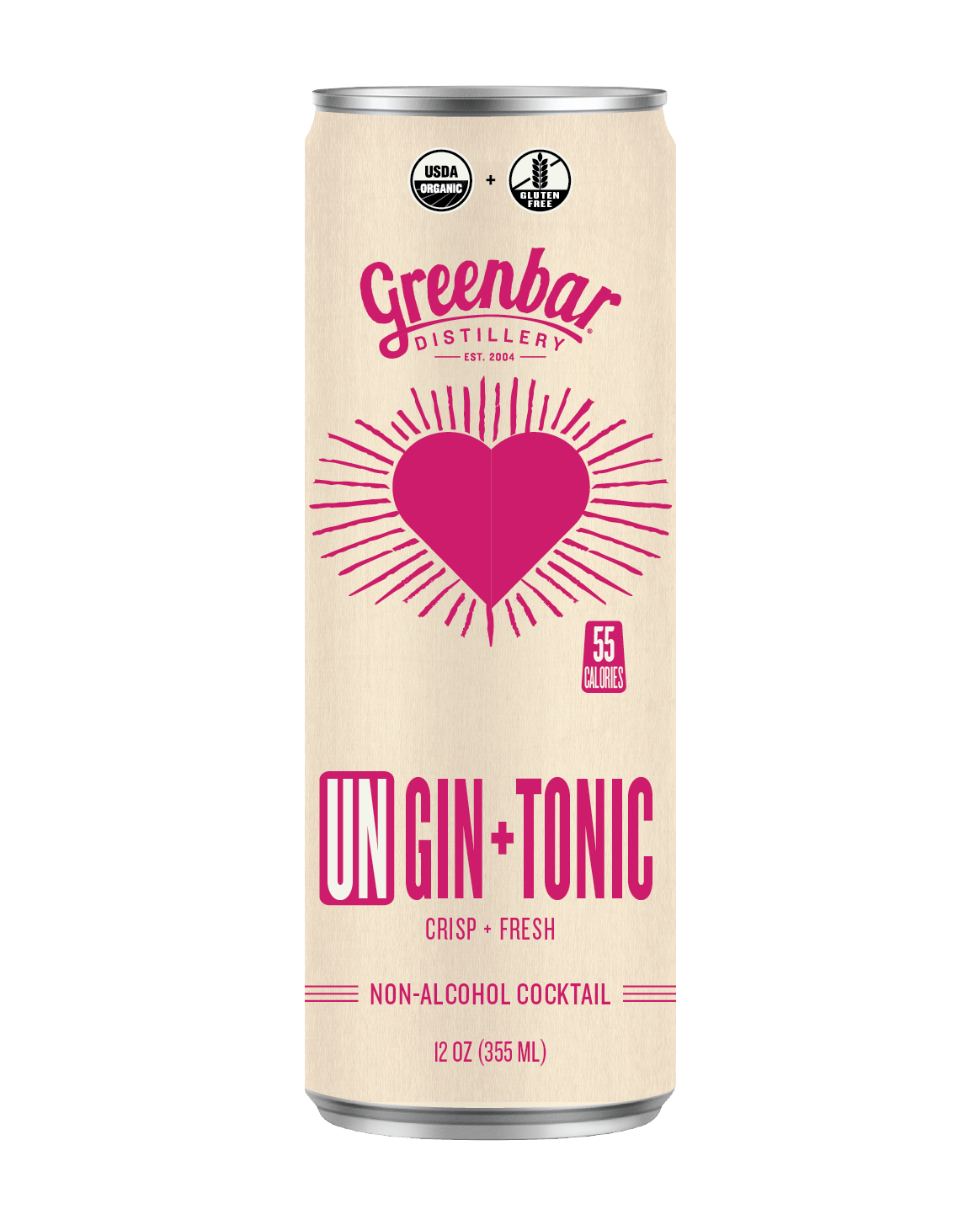
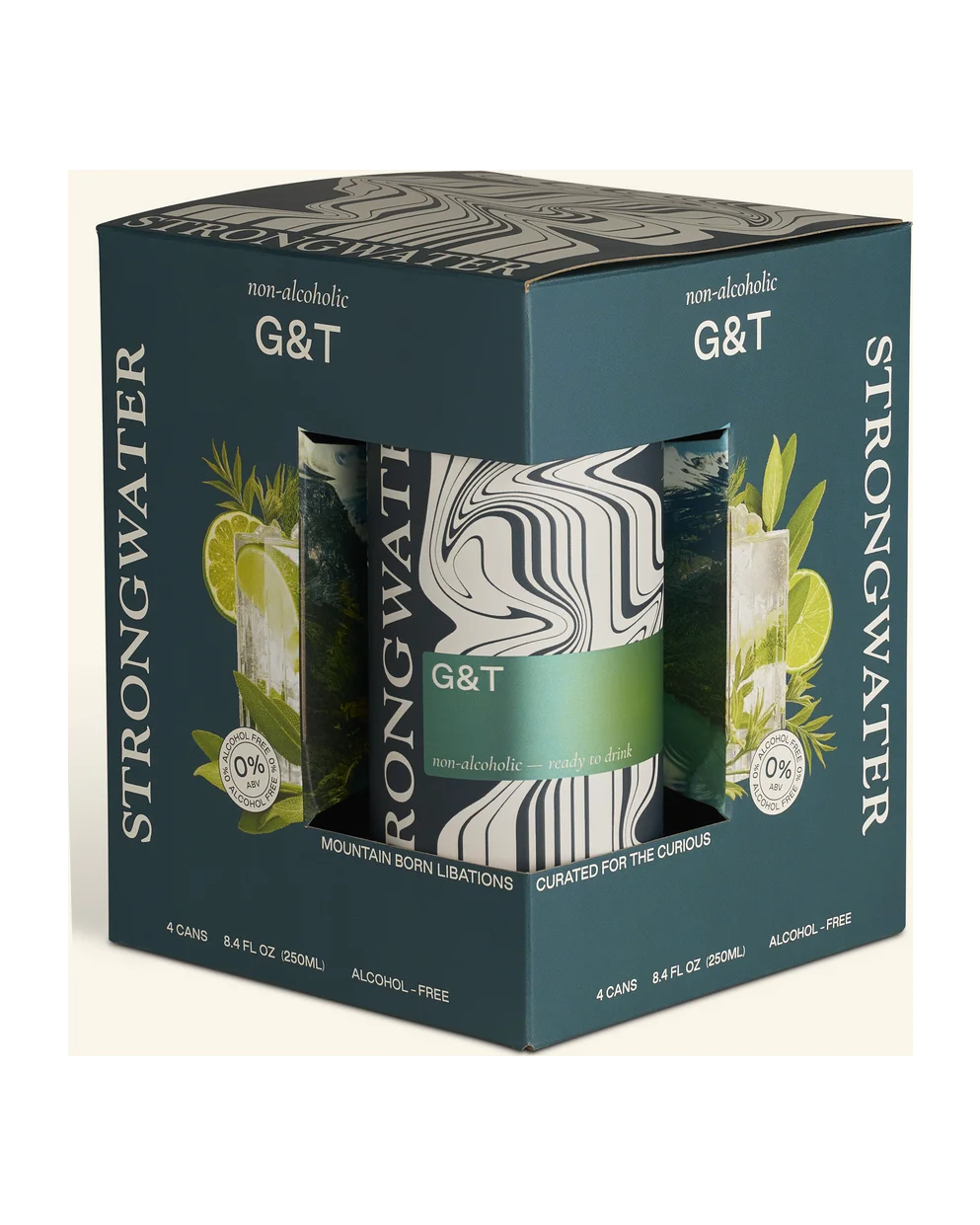
For a rush, two canned non-alcoholic G&Ts do the job. Strongwater's leans dry and botanical with dill and sage, and Greenbar's UnGin+Tonic is built on organic dealcoholized cane spirits.
Ready-made G&Ts
A non-alcoholic tequila alternative
Agave is the hardest flavor to imitate without alcohol, so we skip the imitation. A good Paloma or Margarita depends as much on grapefruit, lime and salt as on tequila. Pentire's Beach House Paloma builds the drink on Seaward, a citrus-forward gin-style spirit, with fresh pink grapefruit, lime, agave syrup and a pinch of Cornish sea salt. It is a Paloma your bartenders can make without a fake tequila on the shelf.
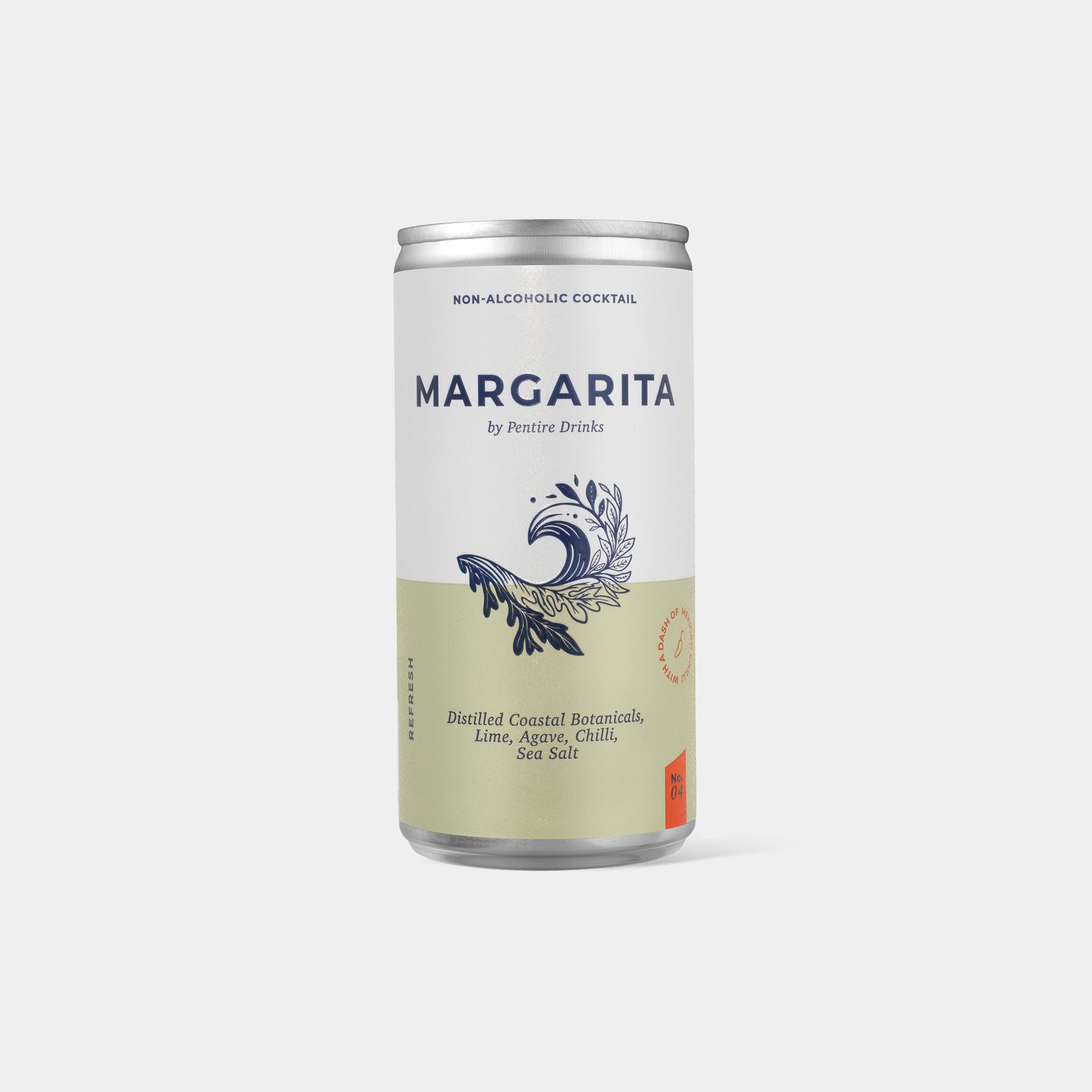
There are also canned versions. Strongwater's Sparkling Margarita adds cucumber for freshness, and Pentire's Margarita brings in a dash of Mexican chilli.
Margaritas and Palomas
Pentire
Pentire Margarita
NA Tequila / AgaveNorth Cornwall0.0%CitrusContact for pricing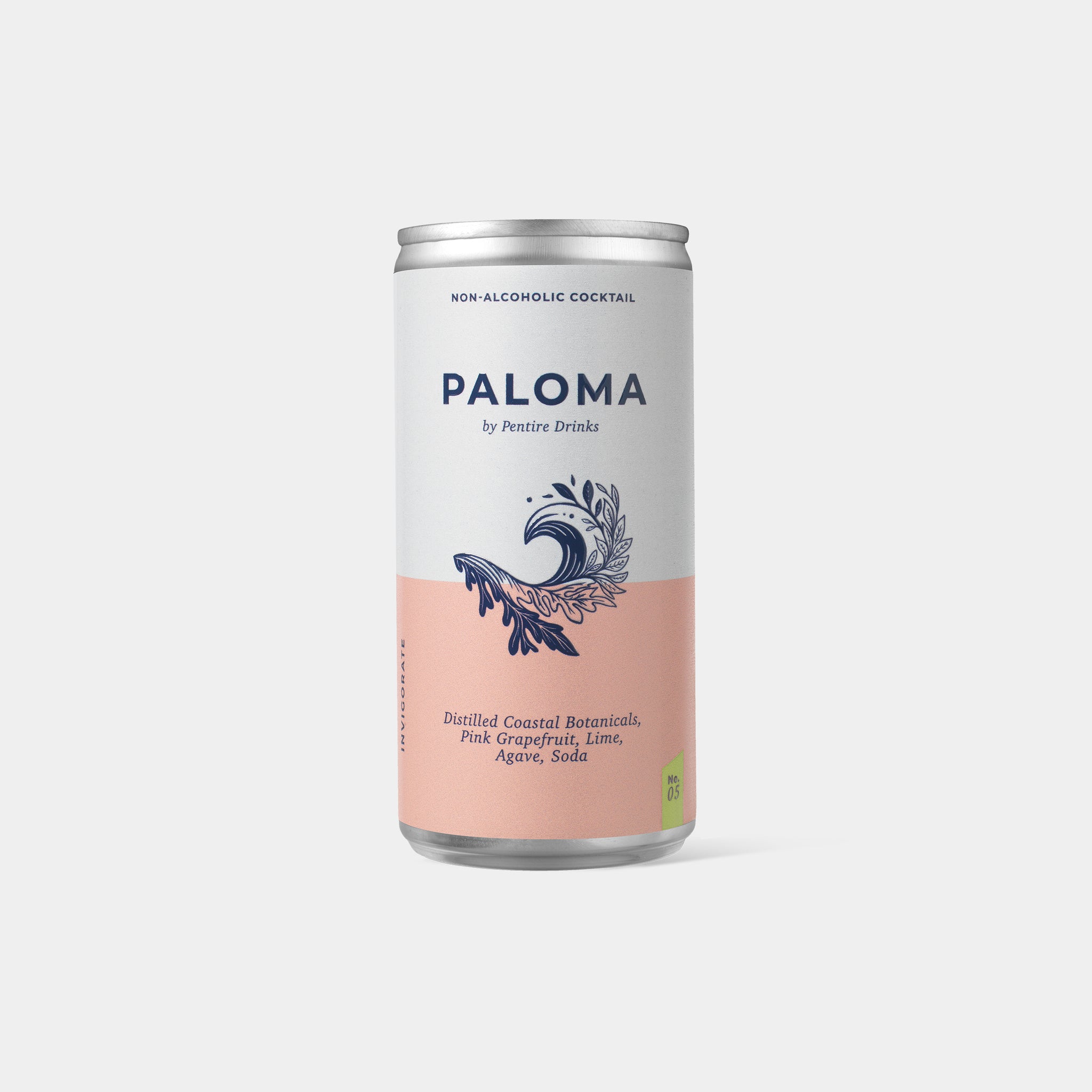
Pentire
Pentire Paloma
NA Tequila / AgaveNorth Cornwall0.0%CitrusEarthyContact for pricing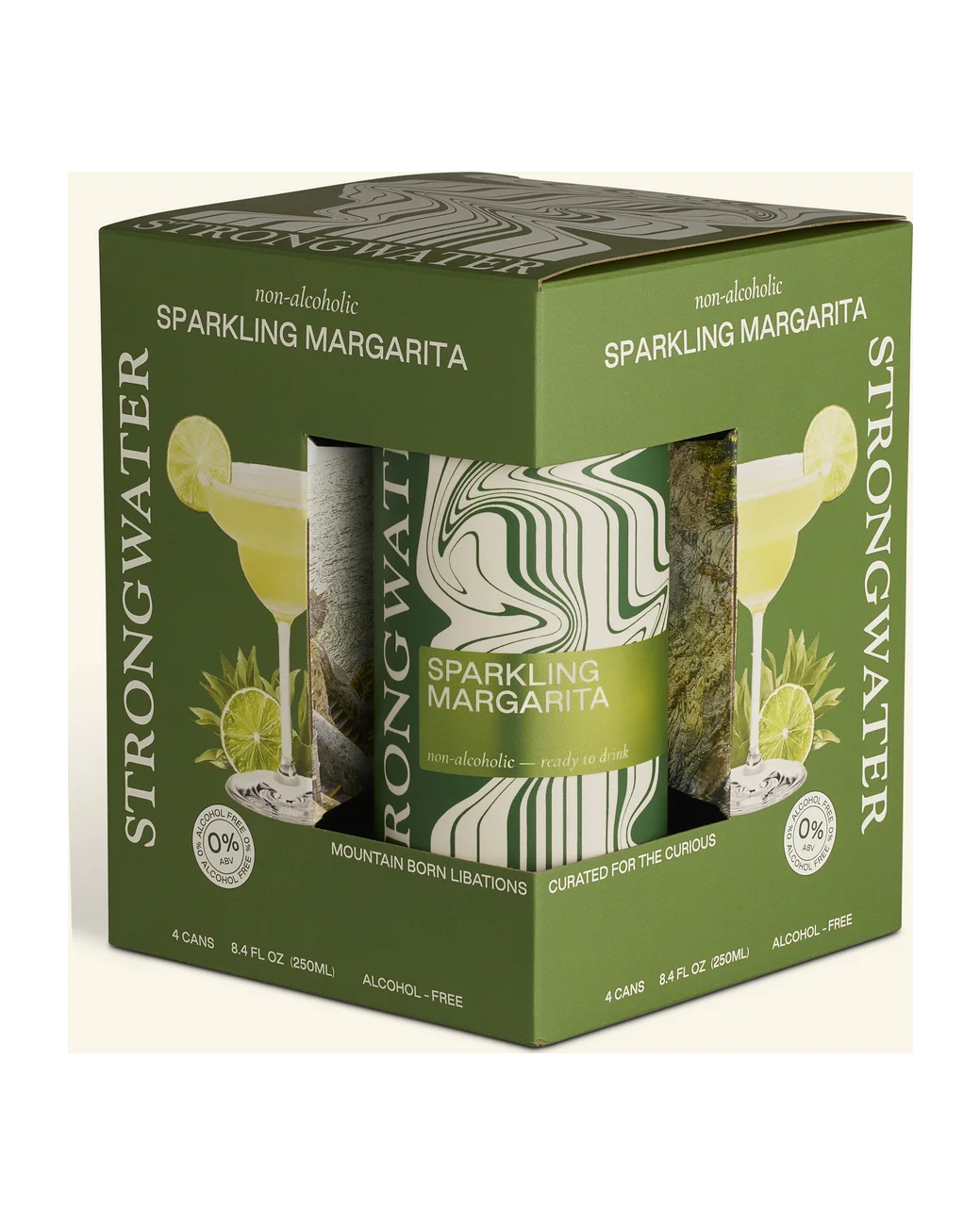 Nationwide1 award won
Strongwater
Sparkling Margarita
NA Tequila / AgaveCOCitrus$$$$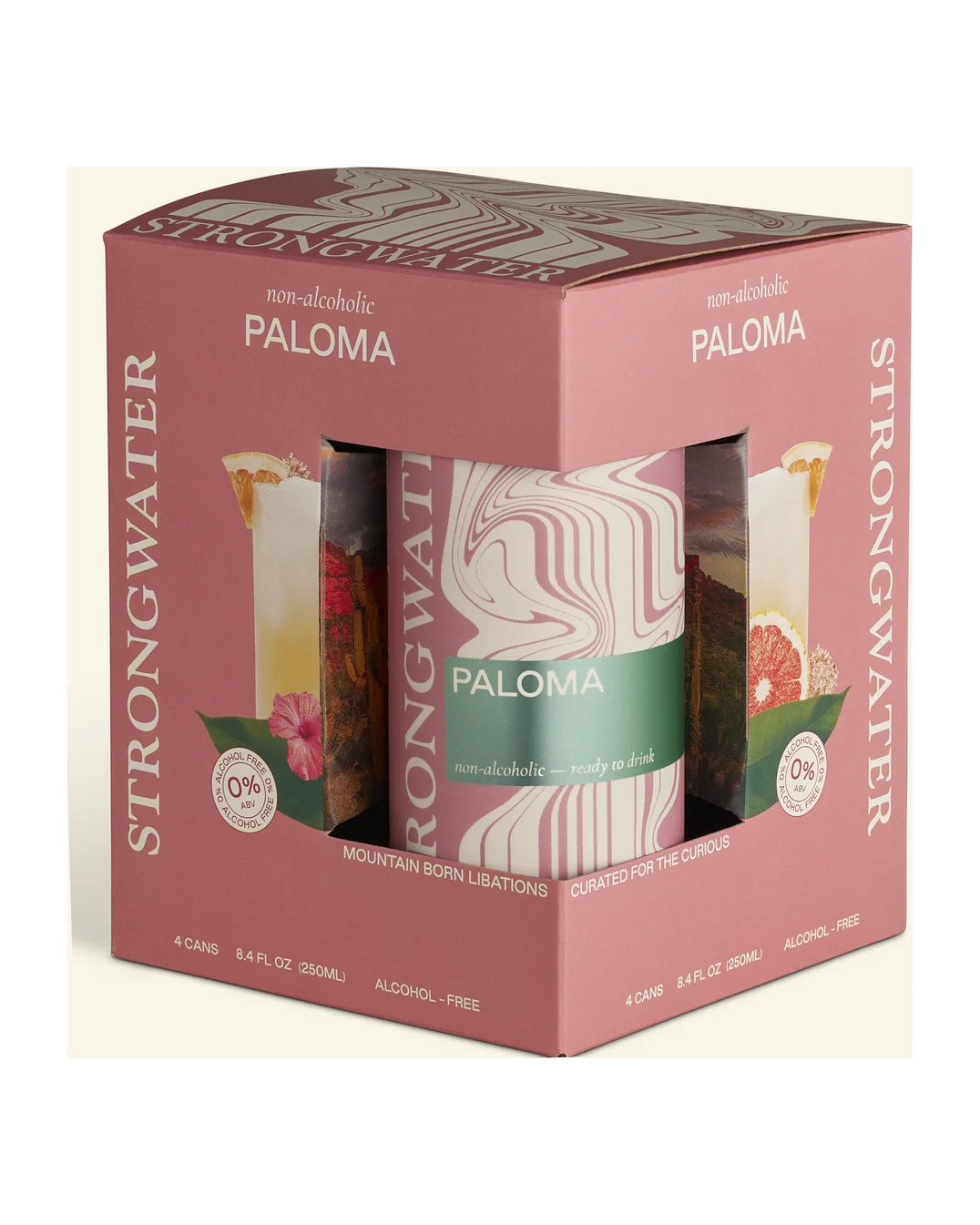 Nationwide2 awards won
Strongwater
Paloma
NA Tequila / AgaveCOCitrusFloral$$$$
A non-alcoholic Negroni
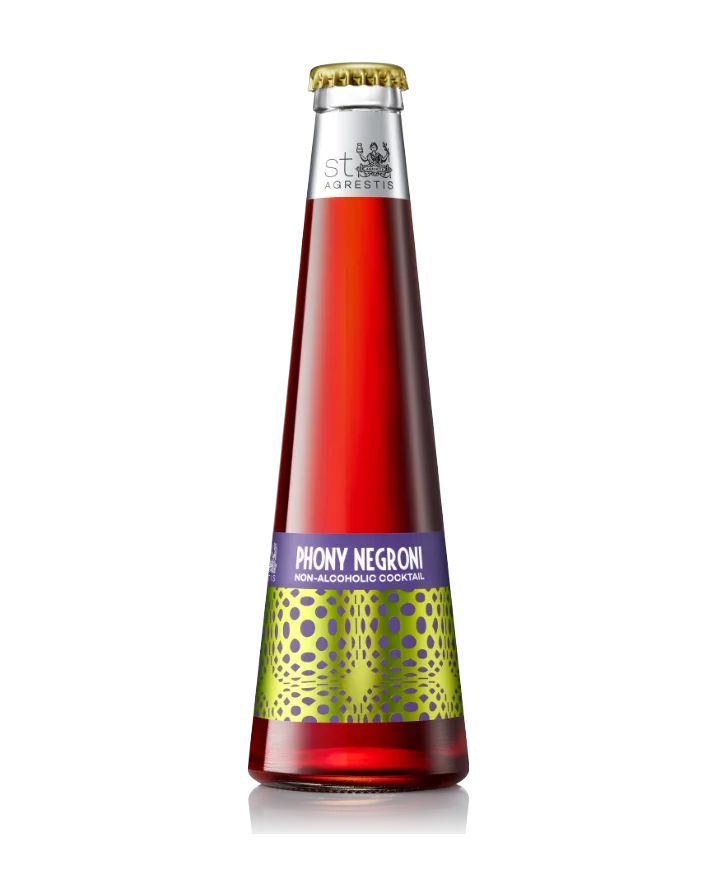
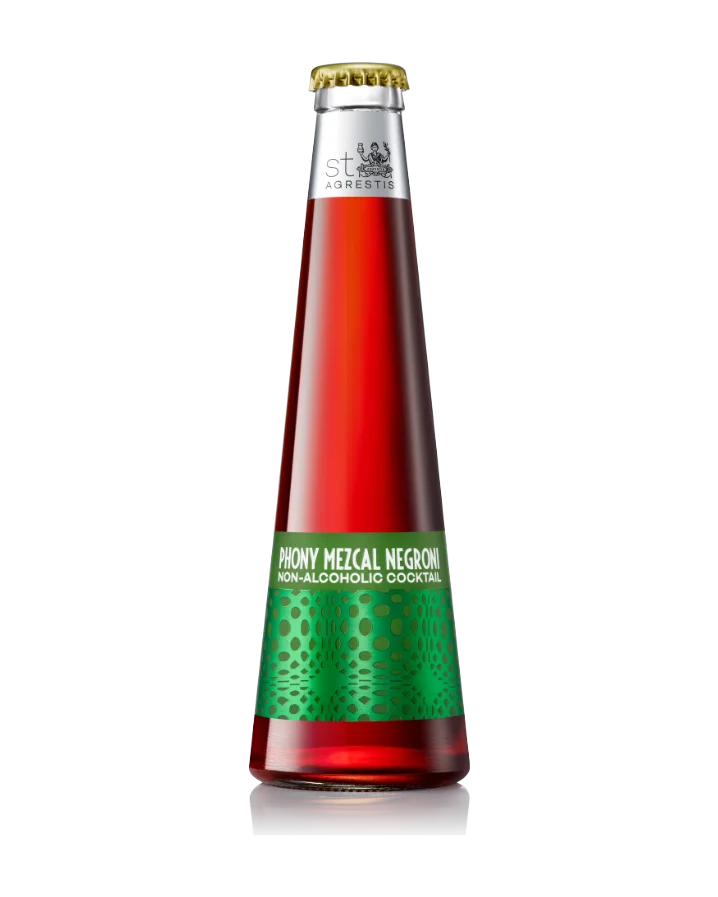
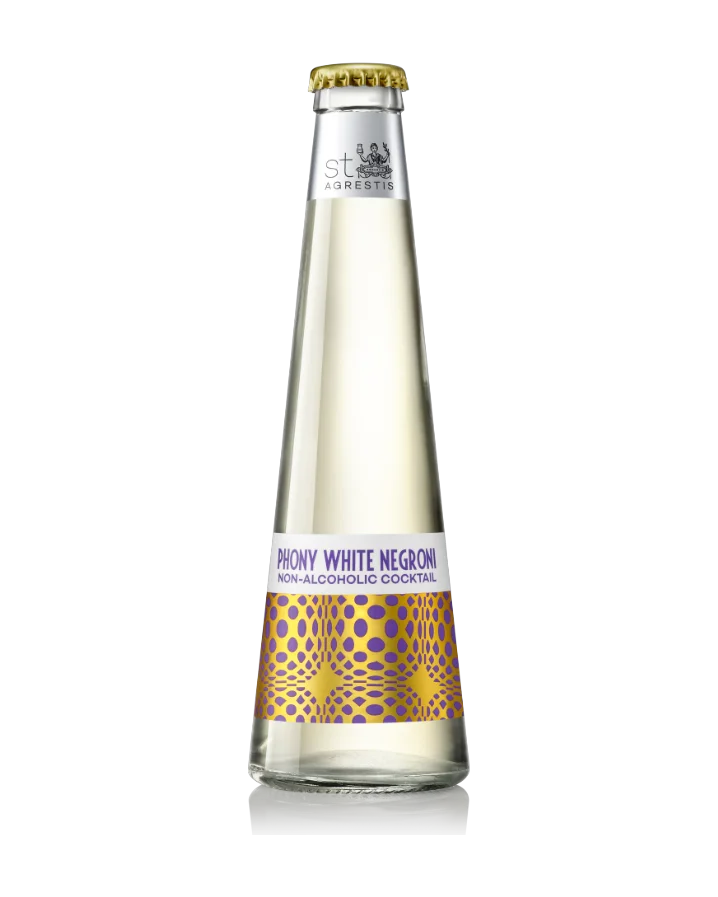
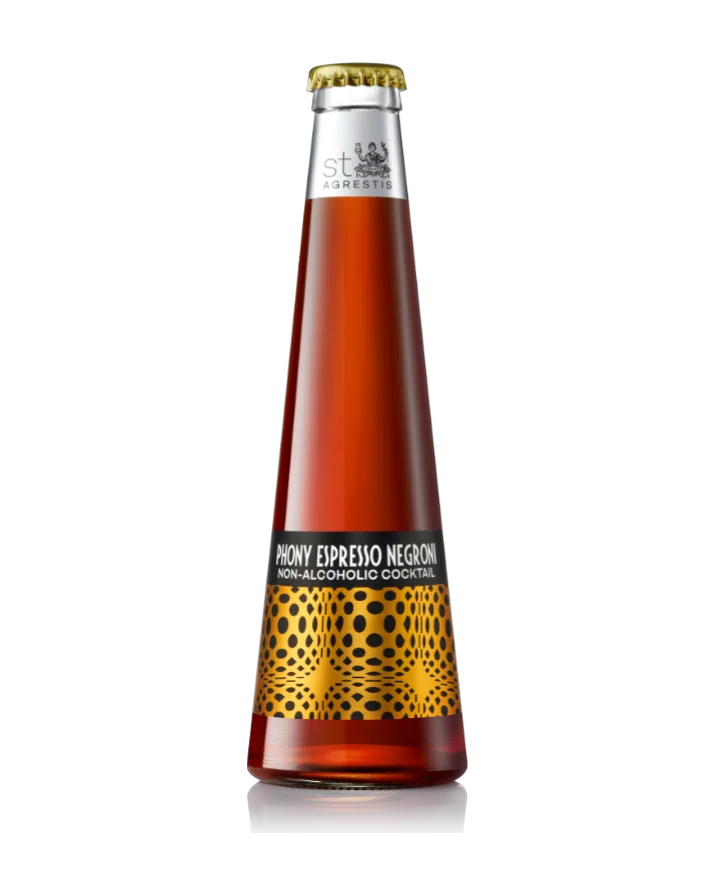
The Negroni is a classic for any gin lover, and guests should still be able to enjoy a proper one while embarking on Sober October or Dry January. St. Agrestis's Phony Negroni is ready to serve and made with 30 ingredients, including Tuscan juniper and southern Italian citrus. Pour it over a big cube with an orange peel and it holds its own on a stirred-drinks menu.
The rest of the family covers more ground: a smoky mezcal version, a clarified white Negroni, and an espresso Negroni with 100mg of caffeine for the after-dinner crowd.
More from the Negroni family
Non-alcoholic amaro
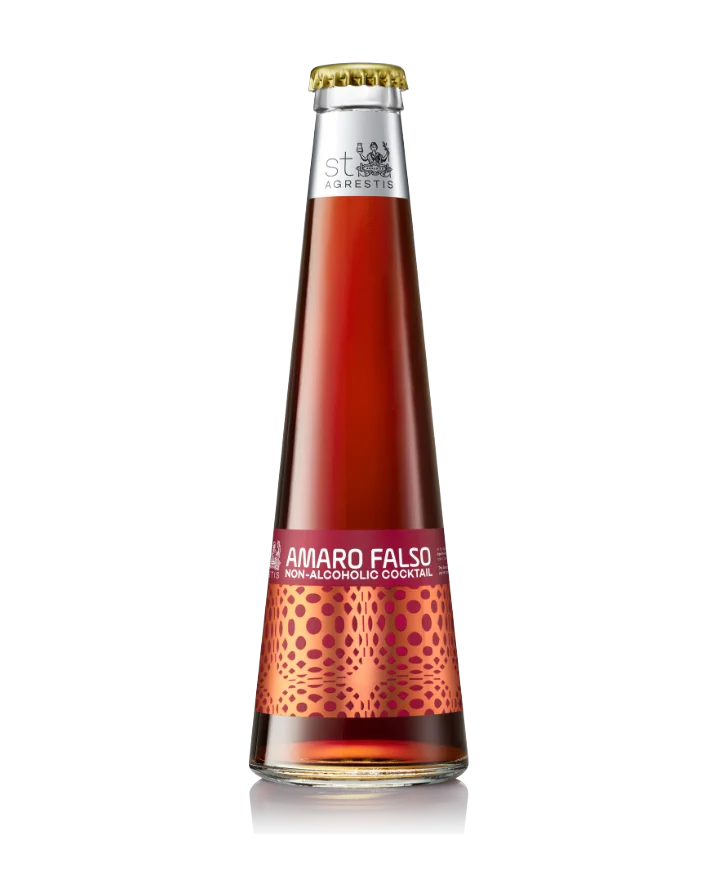
St. Agrestis's Amaro Falso is made with 20 herbs, spices and citrus, and the brand pitches it as both an aperitif and an after-dinner digestif. That makes it a strong close for guests who would otherwise skip the last round.
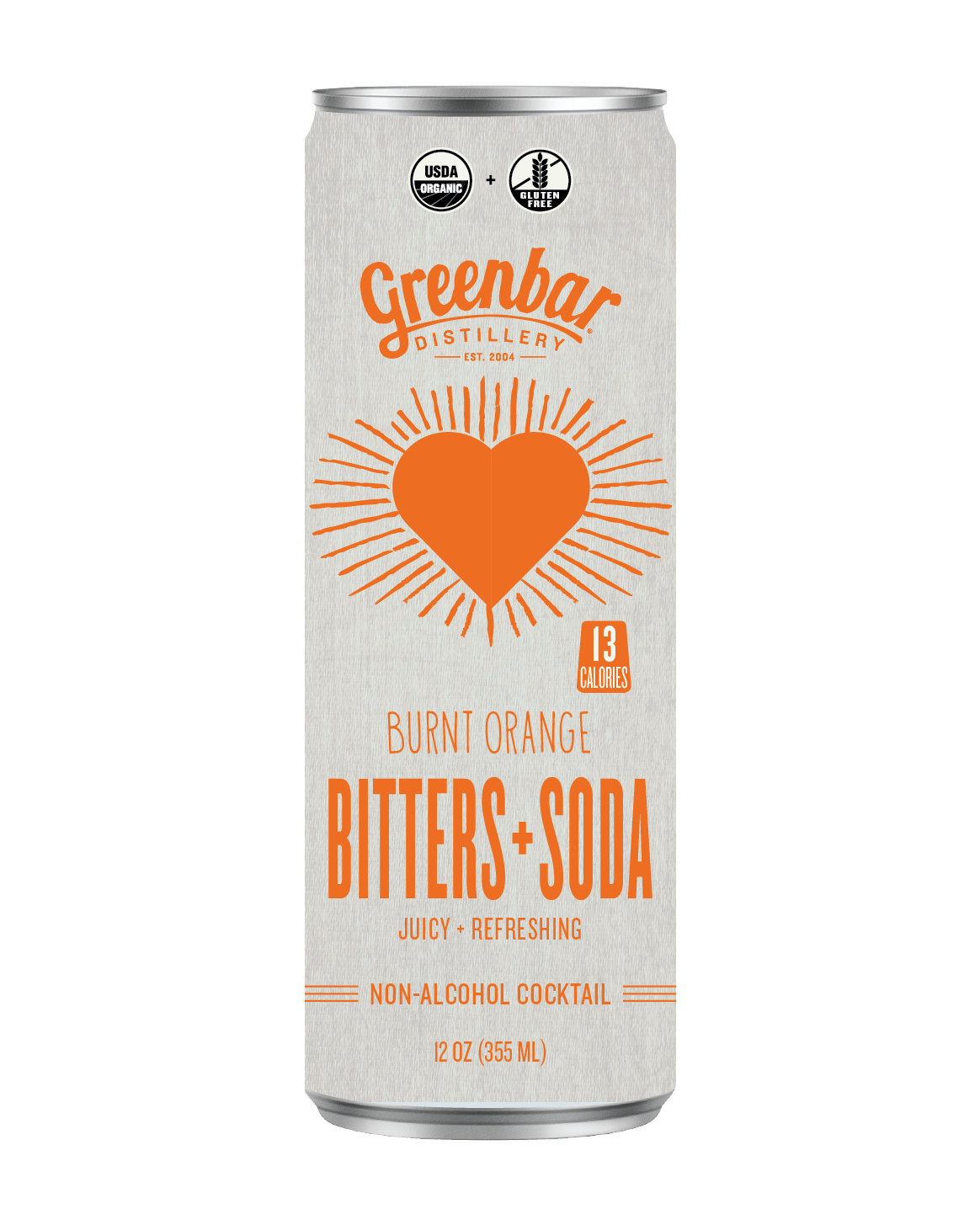
For something lighter, Greenbar's bitters and soda line comes in three flavors built on organic botanicals: burnt orange, Earl Grey and lavender.
Bitters and soda
 Nationwide
Greenbar Distillery
Burnt Orange Bitters+Soda
NA Amaro / BittersweetCACitrusFruityBitterContact for pricing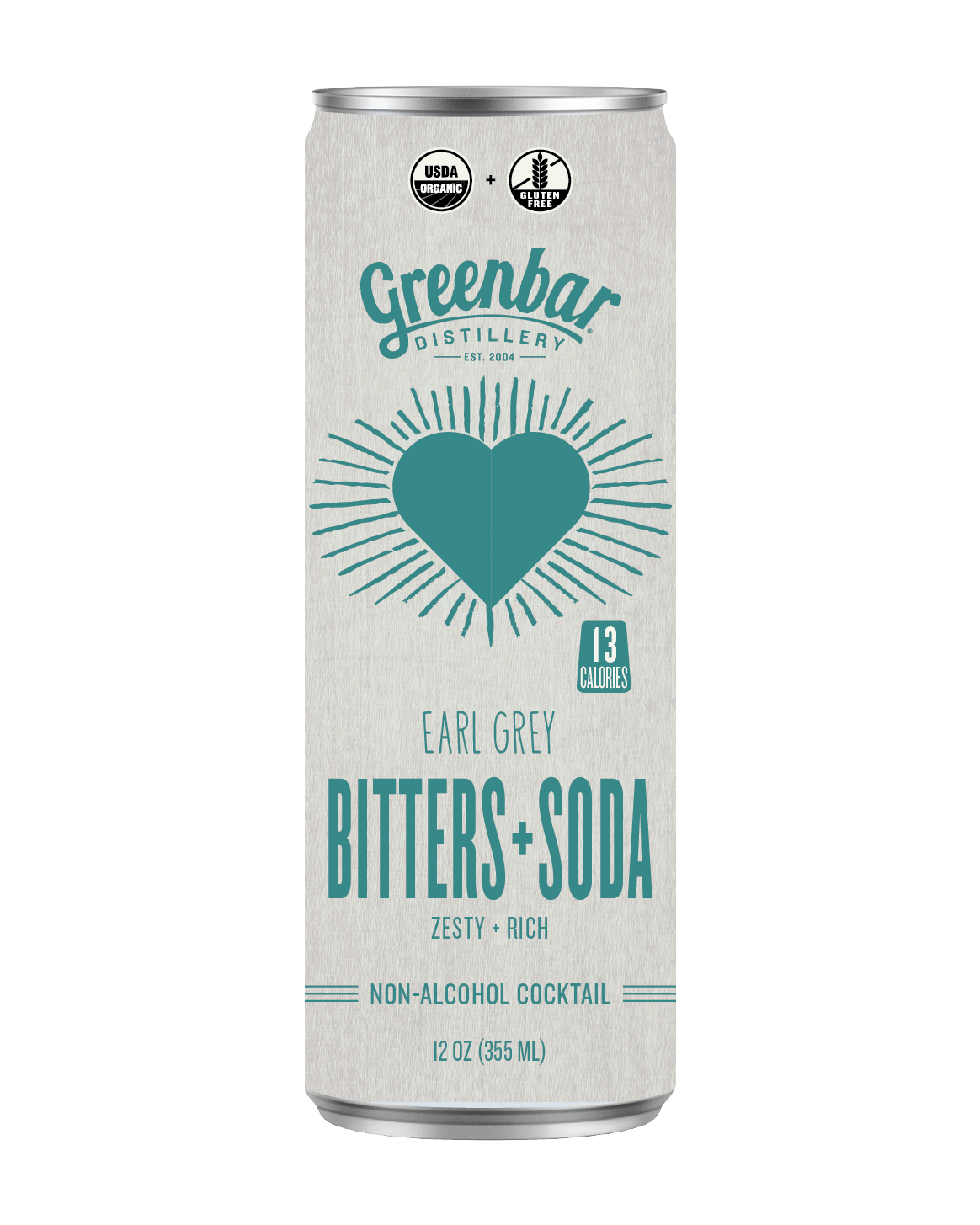 Nationwide
Greenbar Distillery
Earl Grey Bitters+Soda
NA Amaro / BittersweetCARichCitrusBitterContact for pricing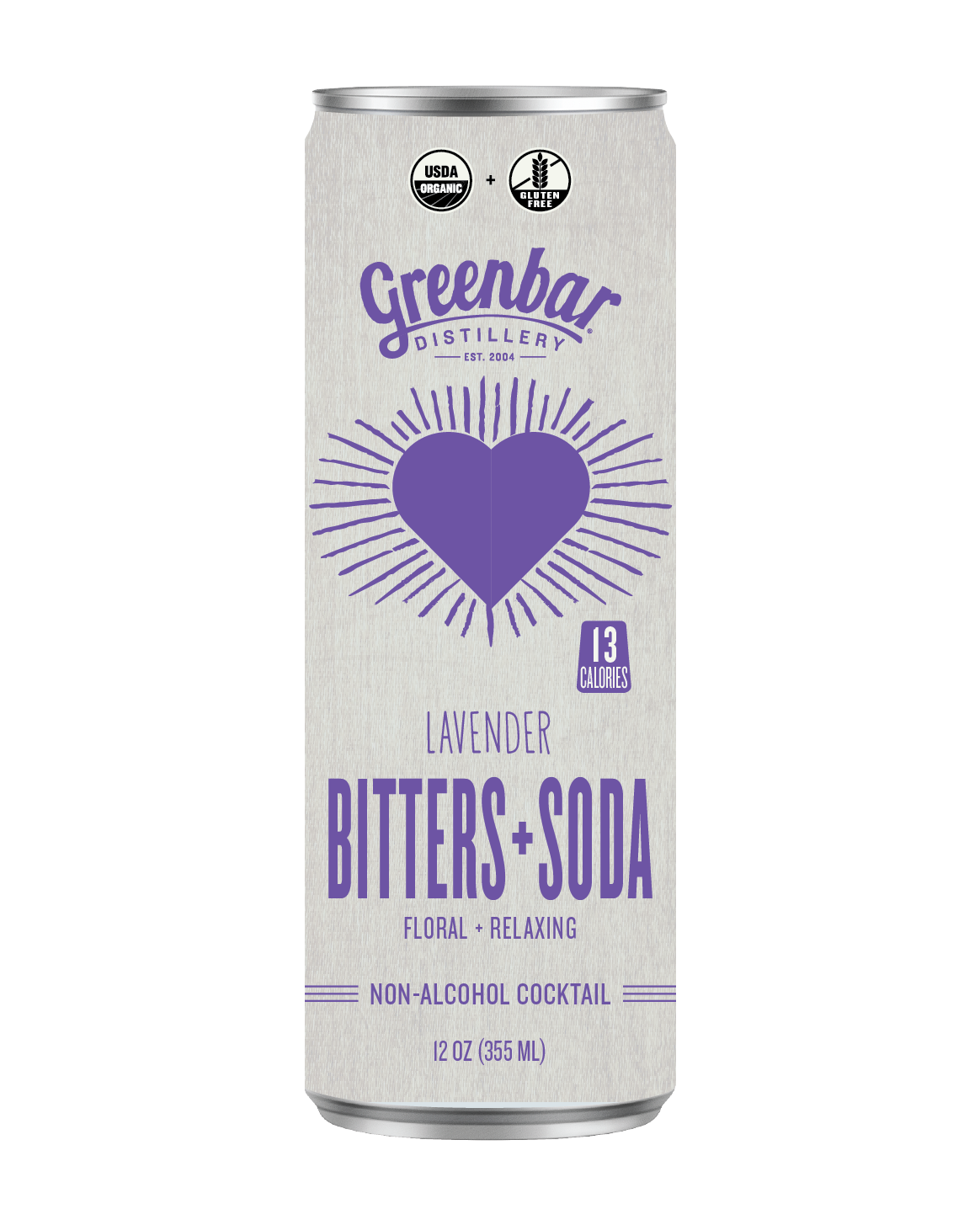 Nationwide
Greenbar Distillery
Lavender Bitters+Soda
NA Amaro / BittersweetCAFloralBitterContact for pricing
A non-alcoholic spritz
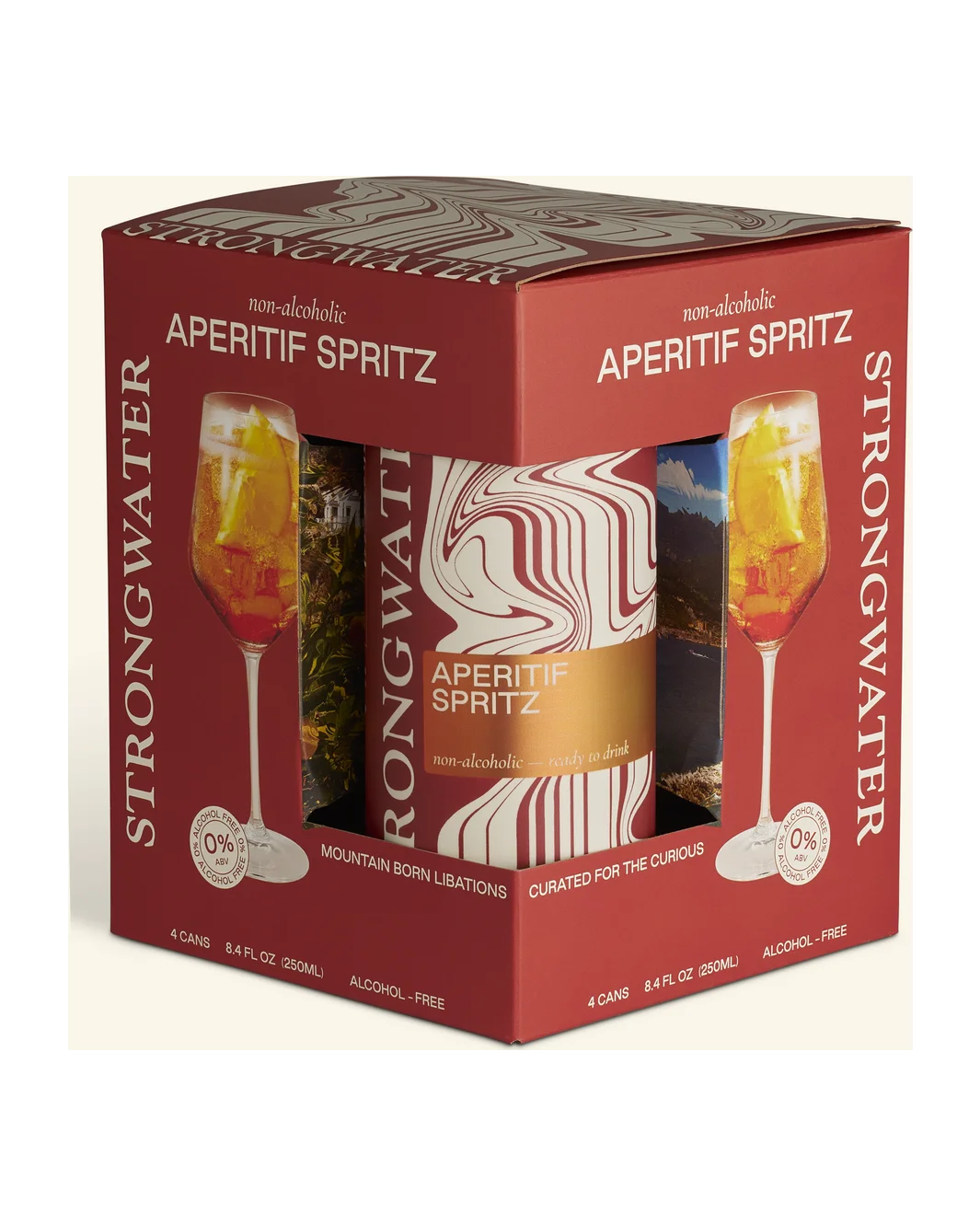
Spritz season never really ends in Southern California, and non-alcoholic aperitifs are some of the most developed bottles in the category. Strongwater says its Aperitif Spritz is built with more bitterness than a typical Aperol spritz, closer to a Campari and Aperol blend. Pentire's Coastal Spritz uses blood orange, sea rosemary and oakwood, and was developed with bartenders.
Spritzes
 Nationwide4 awards won
Strongwater
Aperitif Spritz
NA SpritzCOCitrusBitterSpice$$$$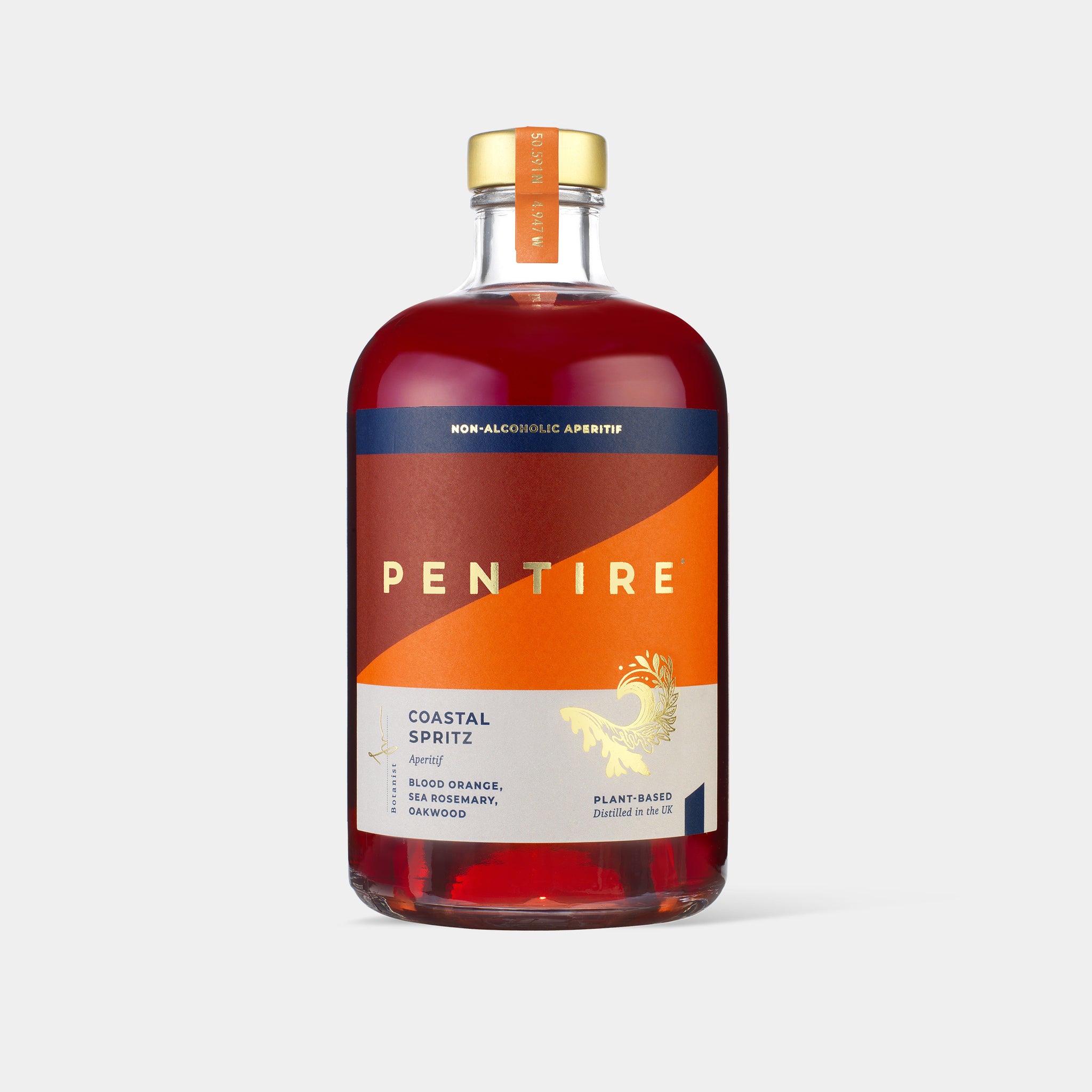
Pentire
Pentire Coastal Spritz
NA SpritzNorth Cornwall0.0%CitrusHerbalOakContact for pricing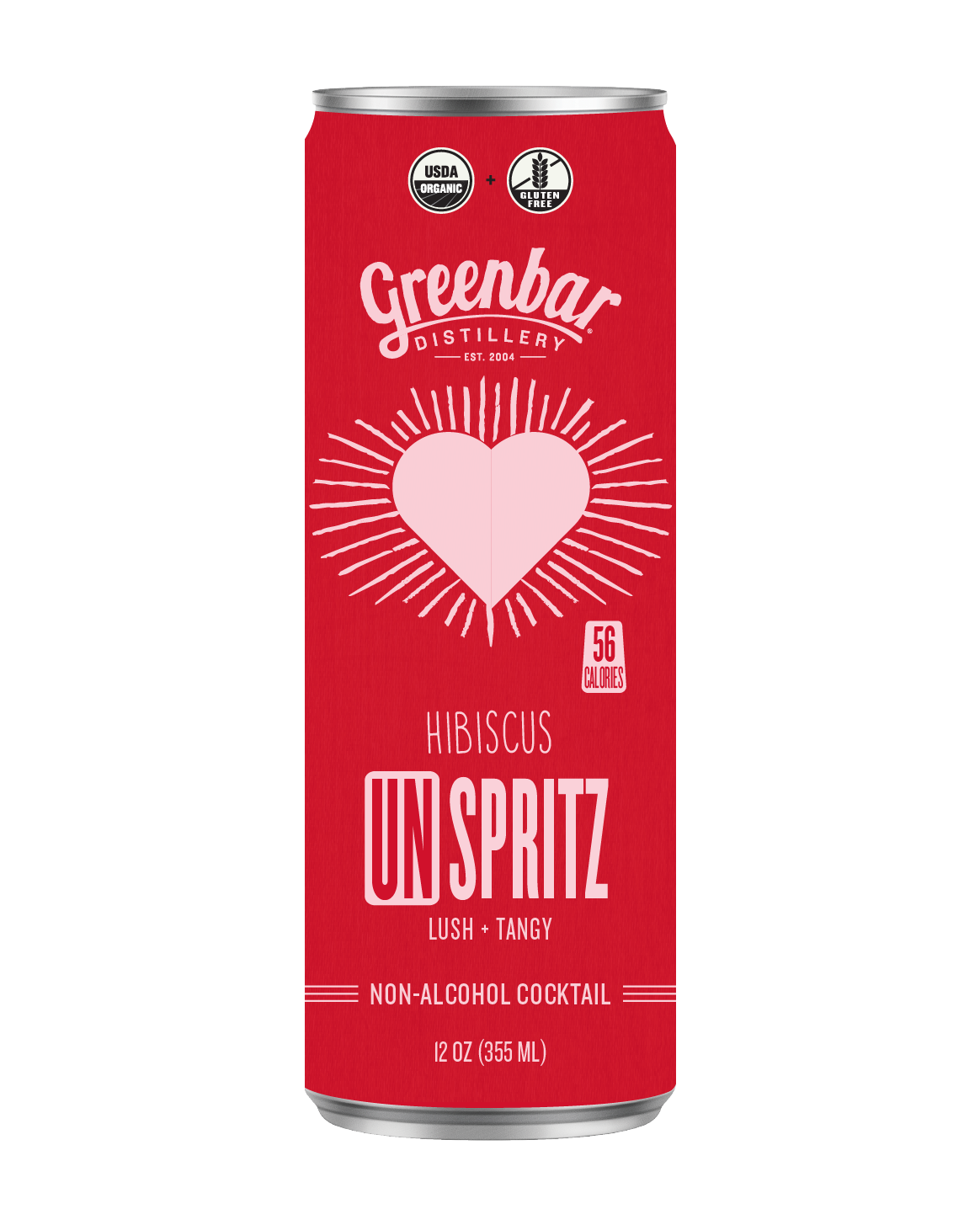 Nationwide
Greenbar Distillery
UnSpritz
NA SpritzCAFloralFruityContact for pricing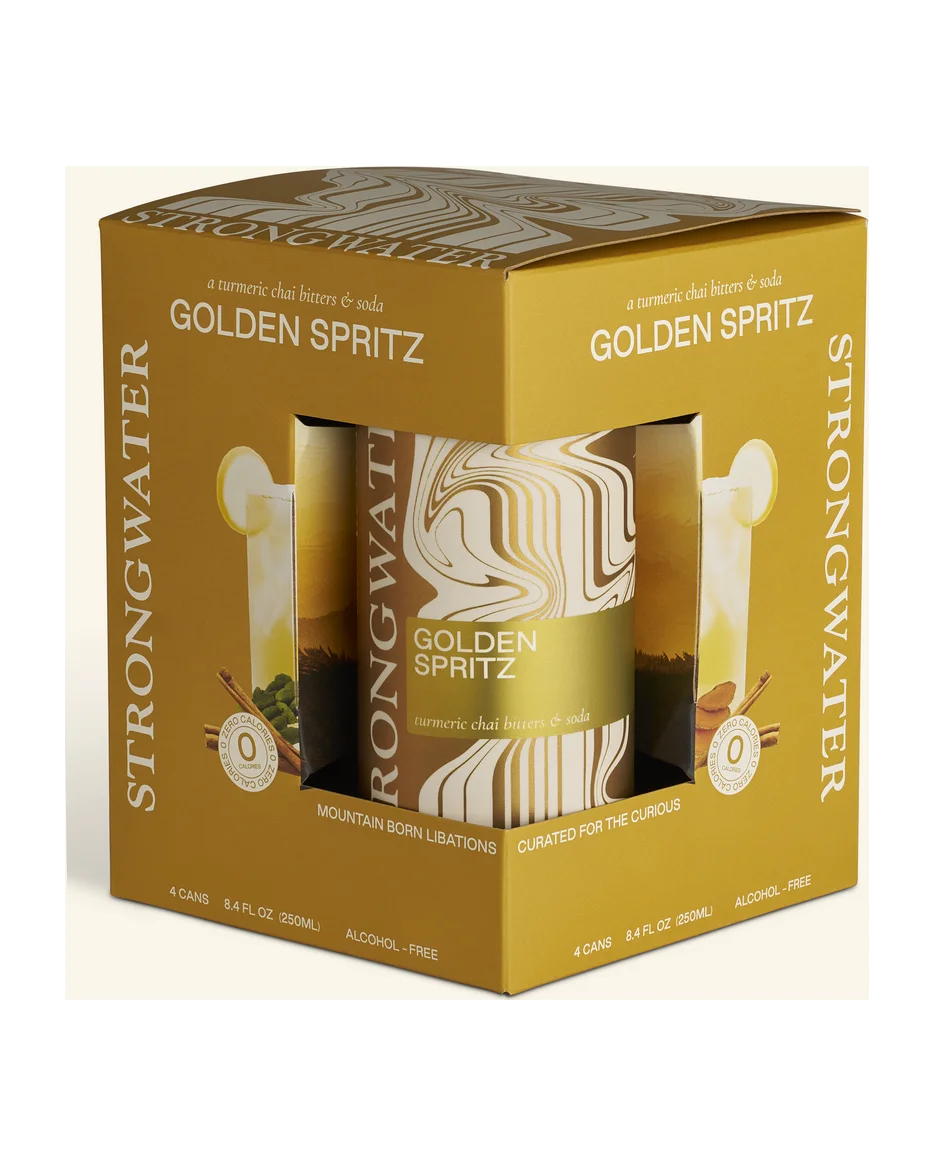 Nationwide
Strongwater
Golden Spritz
NA SpritzCOCitrusSpiceWarming$$$$
A non-alcoholic rum and cola
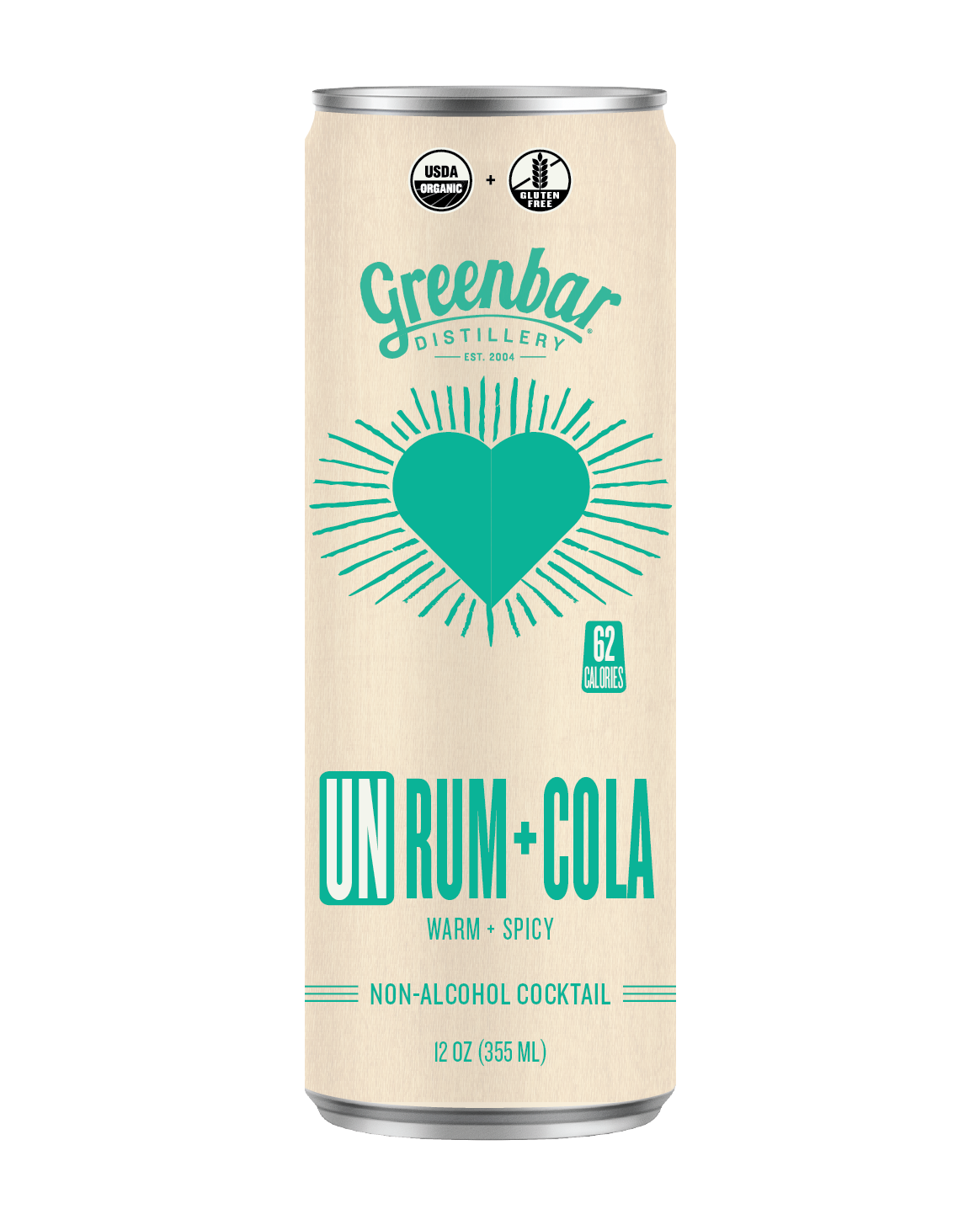
Greenbar's UnRum+Cola is made with organic dealcoholized molasses rum, baking spices, citrus and kola nut, already canned and ready to pour.
Non-alcoholic ready-to-drink cocktails
Not every zero-proof guest wants a stirred drink, and not every bar has a free bartender at 10pm on a Saturday. That is where cans come in. Ready-to-drink cocktails in general are surging: spirits-based RTDs grew 16.4% in the US to nearly $4 billion, according to Distilled Spirits Council figures cited by Mordor Intelligence. The non-alcoholic versions ride the same wave, and they give a bar a consistent zero-proof option that takes seconds to serve.
Keep one or two in the fridge: a G&T, a Paloma or a spritz from the rails above covers most requests.
The bars that win the next few years will treat zero proof as part of the craft, not a favor to the designated driver. Browse every non-alcoholic spirit on DiscoCraft, meet the independent makers behind them, and request a bottle straight from the maker.